PAKA Is the Alpaca Apparel Brand Changing Outdoor Clothing for Good

Updated: Jul 26

When most brands talk about what they make, PAKA talks about why it matters — for people, planet, and purpose.
This is a clothing brand that didn’t start in a boardroom or a design studio. It began on a backpacking trip through the Andes, where a young traveler discovered something that changed the way he thought about clothing — and the way it’s made.
Why PAKA Was Created
PAKA was founded in 2015 by Kris Cody, who stumbled upon his first alpaca wool sweater while trekking through Peru’s Andes Mountains. The garment wasn’t just warm and comfortable — it outperformed anything he’d worn before in extreme climates and, importantly, came from a community of skilled artisans with a deep cultural tradition. When he returned to the U.S., people kept asking him where the sweater came from. That curiosity sparked an idea: what if this incredible natural fiber — and the people who’ve perfected working with it for generations — could be connected to a global audience?
Kris didn’t just launch another outdoor sweater — he built a purpose-driven brand rooted in sustainability, traceability, and social impact.

From that initial inspiration, Kris returned to Peru, learned from Quechua weavers, and worked side-by-side to prototype the very first PAKA garments — all while living close to the source of the material and craft that would define the brand.
Who PAKA’s Customers Are
PAKA speaks to people who want more than just technical performance from their apparel — they want meaning behind the clothing they choose.
PAKA’s customers are:
Outdoor enthusiasts who appreciate natural performance and comfort
Conscious consumers who value sustainability and transparency
Travelers and adventurers who need gear that works in real, changing conditions
People who want purpose, not just products
From lightweight vests built for moving fast on the trail to soft knit crews perfect for cool evenings, PAKA gear sits at the intersection of performance and intention — ideal for anyone who wants clothing that performs and tells a story.
Product Value Propositions: Why Customers Choose PAKA
PAKA’s apparel isn’t just fashionable or functional — it’s fundamentally different in how and why it’s made:
Alpaca Fiber — A Natural Performance Winner
PAKA’s pieces are built from alpaca fiber, which are known for being:
Soft and durable
Naturally insulating yet breathable
Hypoallergenic and moisture regulating
Renewable and eco‑friendly
Alpaca performs like high‑end technical materials without the environmental cost of synthetics.
Transparent, Traceable Supply Chain
Each garment includes a QR code linking to the exact coordinates in the Peruvian highlands where the alpaca was raised and sheared — connecting wearers directly to the story behind their clothes.
Hand‑Finished by Artisans
Every knit piece is hand-finished with PAKA’s signature Inca ID by a Quechua artisan who made it — a human connection you don’t get with mass‑produced clothing.
Fair Wages & Empowerment
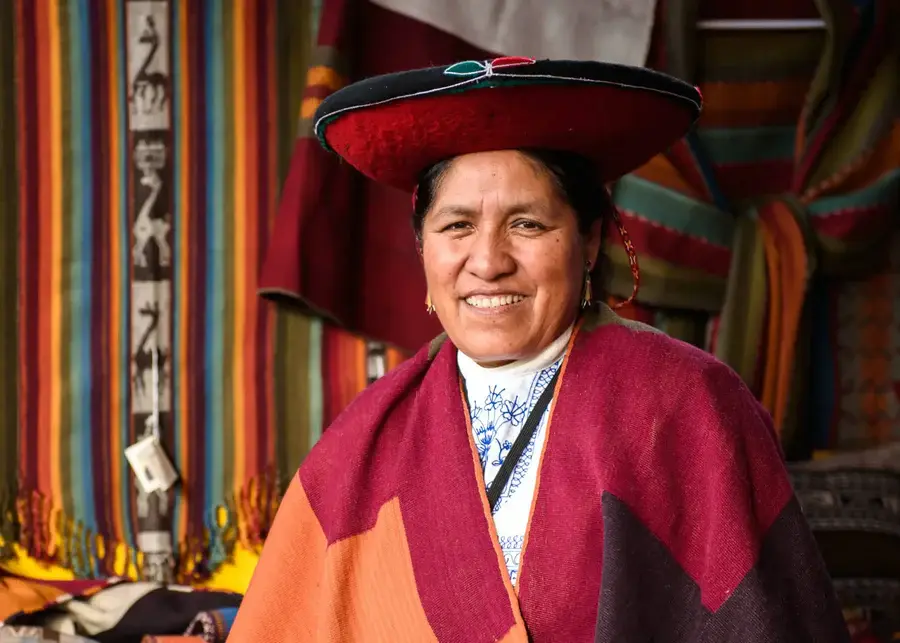
PAKA employs hundreds of Quechua women weavers at competitive wages, helping preserve traditional textile arts and supporting community livelihoods.
Impact Beyond Apparel
PAKA donates 1% of revenue to programs focused on education, nutrition, and community initiatives in Peru — ensuring the benefits of the brand extend beyond clothing.
It’s this combination — ethical craft, proven performance, and social purpose — that makes PAKA stand out in a crowded field of outdoor and lifestyle apparel.
Experience PAKA for Yourself
For those who’ve tried PAKA gear, the appeal isn’t just comfort, it's the feeling of wearing something that matters.
Explore PAKA and discover apparel that connects you back to the earth, to tradition, and to purpose.


Comments